Ports & Logistics
Terminal, empty park, rail and transport management systems from Wave Systems, now part of Complexica, combined with AI optimisation of yard placement and moves.
Move more containers with the same yard, rail and fleet
- Yard optimisation: Larry decides the best yard position for every container at Flinders Adelaide Container Terminal.
- Connected systems: EPMS, RAILTrack, TRUCKSmart and TMSPro modules can be integrated with each other.
- Customer self-service: web portals that cut phone and email enquiries.
AI for smarter, safer and more efficient ports
AI is becoming the tool of the future, revolutionising the way industries operate globally. The ports and logistic sector is no different. The incorporation of AI into the industry is crucial to improve port productivity, reduce costs, and increase efficiency.
In Australia, ports are considered to be slower at turning ships around than the average international port. Therefore, leveraging AI to improve Australian container port performance is recognised more than ever.
Inefficient systems in major container ports in Australia are costing the economy around AUD$600 million annually, according to a recent inquiry report carried out by the Australian Government Productivity Commission. By improving and automating systems, this substantial amount of money can be retained and used elsewhere.
Well-functioning container ports enable goods to enter the country more swiftly and reduce the cost of such imports. They also enable Australian exporters to compete more effectively on global markets. Efficient ports minimise the time taken for containers to pass through, while ensuring that inputs are used as effectively as possible. Ports that move containers more quickly, reliably, and in a cost-effective manner are better performers than those that do not.
Smart Ports
Smart ports leverage digital technologies to optimise their operations, increase efficiency, and improve sustainability. Smart ports use advanced data analytics, Internet of Things (IoT) sensors, Artificial Intelligence (AI), and other technologies to optimise every aspect of the port ecosystem, including shipping, cargo handling, and logistics.
Some key features of smart ports are:
-
Digitisation: Smart ports rely on digital technologies to gather and analyse data on various aspects of port operations, including vessel traffic, cargo movements, and equipment performance.
-
Automation: Smart ports use automation technologies, such as autonomous container handling equipment, to improve the speed and accuracy of cargo handling.
-
Predictive Analytics: Smart ports use advanced analytics to predict potential problems and optimise operations, enabling them to respond proactively to changing conditions.
-
Sustainability: Smart ports focus on reducing their environmental footprint through initiatives such as energy-efficient lighting, low-emission vehicles, and waste reduction.
-
Collaboration: Smart ports foster collaboration among various stakeholders, including shipping companies, port authorities, and government agencies, to ensure smooth and efficient port operations.
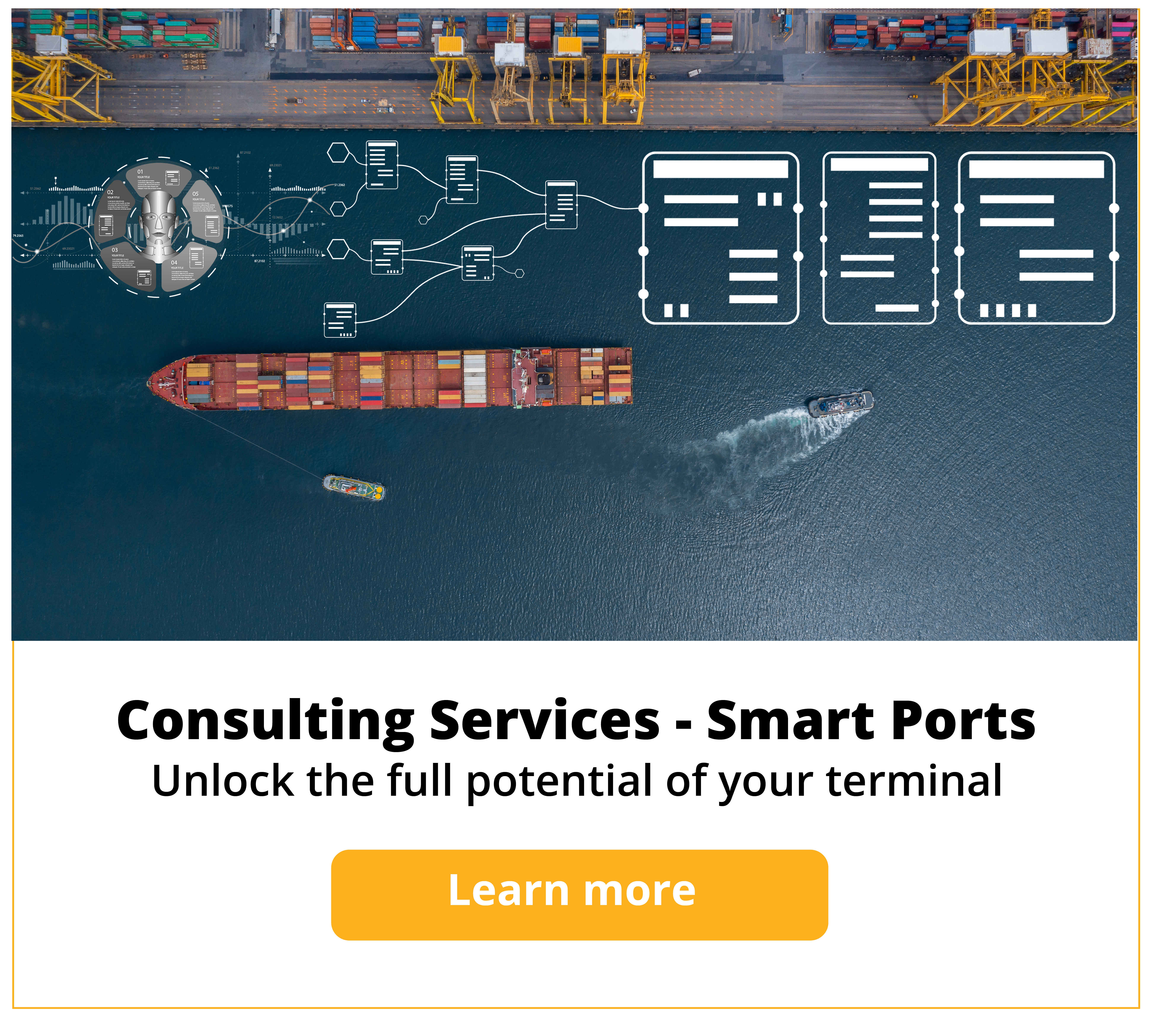
By adopting smart port technologies, ports can increase efficiency, reduce costs, and improve the sustainability of their operations. Consulting services that specialise in smart ports can help port operators and other stakeholders develop and implement strategies for adopting these technologies and achieving these benefits.
Our Ports and Logistic Solutions

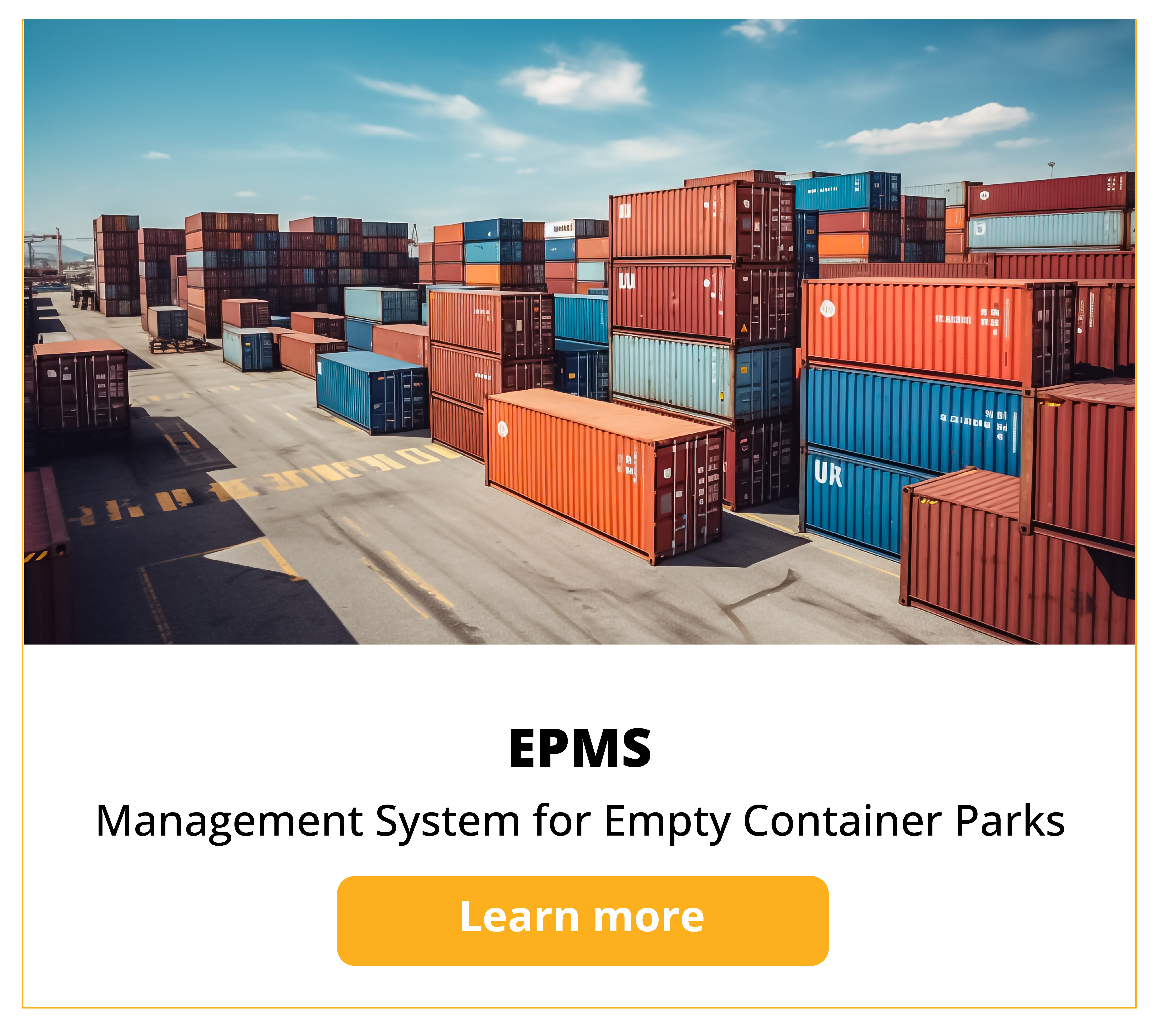
Learn more
Discover how Complexica's AI is powering South Australia's largest port.
Some of our Customers


















Some of our Recent Awards